
THE THREAT
ROCK SHRIMP TRAWLING
NOAA proposes a shrimp fishery access area along the eastern boundary of the northern Oculina Bank, where trawling for rock shrimp is currently prohibited. The facts below give NOAA's stated rationale, the concerns about slow-growing coral and bottom gear, and NOAA's 2022 decision on an earlier request.
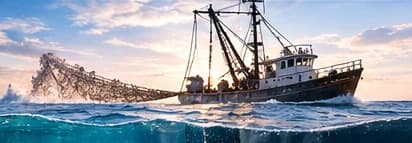
Trawler artwork is an illustration.
How bottom trawling CAN AFFECT THE REEF
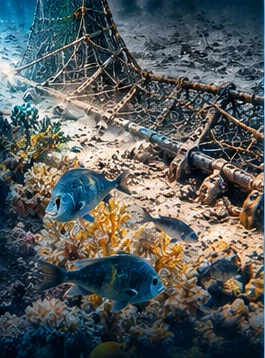
HEAVY NETS DRAG THE OCEAN FLOOR
Bottom trawls drag nets, chains and heavy doors along the seabed.
CORAL CAN BE CRUSHED
Where gear contacts fragile coral, branches can break into rubble.
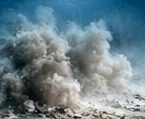
HABITAT CAN BE LOST
Disturbed sediment can smother nearby coral and habitat.
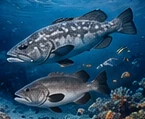
FISHERIES CAN SUFFER
Fish that spawn and shelter on the reef can lose that habitat.
The four thumbnails select the illustrated steps. These are artistic illustrations.
NOAA habitat and bottom gear background (opens in a new tab)What NOAA proposes
PROPOSED PLAN: AMENDMENT 11 / 12
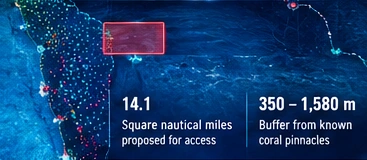
14.10Square nautical miles proposed for access
350 – 1,580 mBuffer from known coral pinnacles
The proposal would establish a 14.10 square nautical mile shrimp fishery access area along the eastern boundary of the northern extension of the Oculina Bank Habitat Area of Particular Concern, where trawling for rock shrimp is currently prohibited.
Square nautical miles, not ordinary square miles.
NOAA describes a 350 to 1,580 meter variable buffer between the access area and known coral pinnacles, intended to prevent sedimentation impacts from trawling.
This is the proposal's stated purpose for the buffers; their effectiveness is part of what the public may comment on.
NOAA says the action is intended to increase access to historic rock shrimp fishing grounds to optimize yield in the rock shrimp fishery, while maintaining protection to deep-water corals.
This is a federal public-comment process on a proposed fishery management action. It is not a vote, a petition, or an election.
Why reef advocates are concerned
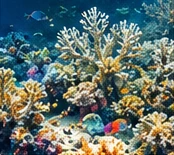
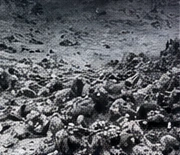
Bottom gear such as trawls, longlines, fish traps and dredges was prohibited in the area because of the damage these gear types were having on the fragile coral.
Oculina coral grows extremely slowly, about 1 to 2 centimeters per year.
Spawning aggregations of gag and scamp grouper have been observed associated with Oculina colonies.
The Amendment 10 history
In July 2022 NOAA disapproved an earlier request, Coral Amendment 10, finding it did not adequately show how it would minimize adverse effects on essential fish habitat and minimize bycatch.
Submit a public comment
Official comments are submitted to the U.S. government on Regulations.gov, not through this website. NOAA decides. This is not a vote.
SUBMIT YOUR COMMENTopens Regulations.gov, a U.S. government website, in a new tabGo to take action